Buy giosrl.eu ?
We are moving the project
giosrl.eu .
Are you interested in purchasing the domain
giosrl.eu ?
domain@kv-gmbh.de · 0541-91531010
Buy giosrl.eu ?
How do dipole-dipole forces affect the boiling temperature?
Dipole-dipole forces are attractive forces between the positive end of one polar molecule and the negative end of another polar molecule. These forces cause the molecules to be attracted to each other and stick together, making it more difficult for them to break apart and become a gas. As a result, substances with stronger dipole-dipole forces will have higher boiling temperatures because more energy is required to overcome these attractive forces and turn the substance into a gas. Therefore, the presence of dipole-dipole forces can increase the boiling temperature of a substance. **
Why are hydrogen bonds stronger than dipole-dipole interactions?
Hydrogen bonds are stronger than dipole-dipole interactions because they involve a specific interaction between a hydrogen atom and a highly electronegative atom such as oxygen, nitrogen, or fluorine. This creates a strong partial positive charge on the hydrogen atom and a strong partial negative charge on the electronegative atom, leading to a strong attraction between the two. In contrast, dipole-dipole interactions occur between the partial positive and negative charges of polar molecules, which are generally weaker than the specific interaction between a hydrogen atom and a highly electronegative atom in a hydrogen bond. **

Similar search terms for Dipole
Top-Angebote
Products related to Dipole:
-
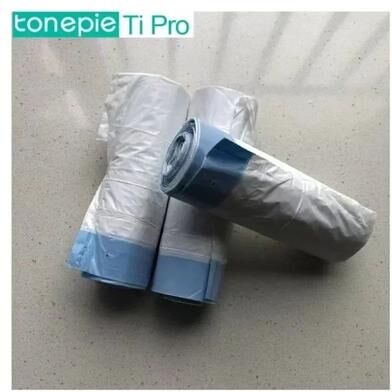
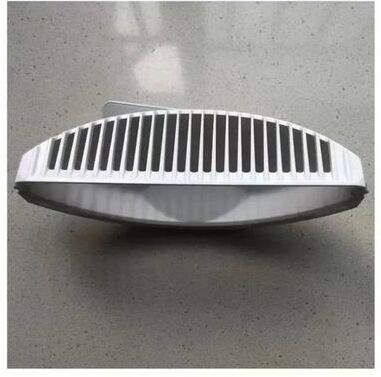
Inspire Essentials Automatic Cat Litter Box Replacement Accessories Maintenance Kit 4Keep your automatic cat litter box operating smoothly and efficiently with this convenient replacement accessories kit. Designed for compatible self cleaning litter boxes, these essential components help maintain cleanliness, airflow, odor control,...101,48 $*Shipping: 0,00 $Secure redirect to the provider
-
Uplifted Finds PetSnowy Smart Litter Box & Feeder Maintenance Accessories yellowKeep your automated pet appliances running at peak performance with the PetSnowy Smart Maintenance Accessories. This premium selection of genuine replacement supplies is specifically engineered to fit the exact mechanical compartments of your...144,97 $*Shipping: 0,00 $Secure redirect to the provider
-
Inspire Essentials Automatic Cat Litter Box Replacement Accessories Maintenance Kit 3Keep your automatic cat litter box operating smoothly and efficiently with this convenient replacement accessories kit. Designed for compatible self cleaning litter boxes, these essential components help maintain cleanliness, airflow, odor control,...101,48 $*Shipping: 0,00 $Secure redirect to the provider
-
Inspire Essentials Automatic Cat Litter Box Replacement Accessories Maintenance Kit 1Keep your automatic cat litter box operating smoothly and efficiently with this convenient replacement accessories kit. Designed for compatible self cleaning litter boxes, these essential components help maintain cleanliness, airflow, odor control,...101,48 $*Shipping: 0,00 $Secure redirect to the provider


-
Why do ethers have only weak dipole-dipole interactions?
Ethers have only weak dipole-dipole interactions because the oxygen atom in the ether molecule is less electronegative than the oxygen atom in alcohols or the nitrogen atom in amines. This results in a smaller difference in electronegativity between the oxygen and the carbon atoms in the ether molecule, leading to weaker dipole moments. As a result, the overall dipole-dipole interactions in ethers are weaker compared to molecules with larger electronegativity differences, such as alcohols and amines. **
-
Is the ammonia molecule a dipole or not a dipole?
The ammonia molecule is a dipole. This is because the molecule has a trigonal pyramidal shape with a lone pair of electrons on the nitrogen atom. The electronegativity difference between nitrogen and hydrogen causes the molecule to have a net dipole moment, with the nitrogen end being partially negative and the hydrogen end being partially positive. This makes ammonia a polar molecule. **
-
Why is CO2 not a dipole and H2O a dipole?
CO2 is not a dipole because it has a linear molecular geometry, meaning the two oxygen atoms are symmetrically arranged around the central carbon atom, resulting in a net dipole moment of zero. On the other hand, H2O is a dipole because it has a bent molecular geometry, causing the oxygen atom to pull the shared electrons closer to itself, resulting in a net dipole moment. This uneven distribution of charge creates a positive end (the hydrogen atoms) and a negative end (the oxygen atom), making H2O a polar molecule. **
-
When do Van der Waals forces and dipole-dipole interactions occur?
Van der Waals forces occur between all atoms and molecules, regardless of their polarity, due to temporary fluctuations in electron distribution. Dipole-dipole interactions, on the other hand, occur between polar molecules that have a permanent separation of positive and negative charges. Both types of interactions are important in determining the physical properties of substances, such as their boiling and melting points, and play a significant role in the behavior of gases, liquids, and solids. **
What is the difference between dipole-dipole forces and hydrogen bonds?
Dipole-dipole forces are attractive forces between the positive end of one polar molecule and the negative end of another polar molecule. These forces occur between any two polar molecules and are relatively weaker than hydrogen bonds. On the other hand, hydrogen bonds are a specific type of dipole-dipole force that occurs between a hydrogen atom bonded to a highly electronegative atom (such as oxygen, nitrogen, or fluorine) and a lone pair of electrons on another highly electronegative atom. This type of bond is stronger than regular dipole-dipole forces and is responsible for the unique properties of water and other molecules with hydrogen bonding. **
What is the difference between hydrogen bonding and dipole-dipole interactions?
Hydrogen bonding is a specific type of dipole-dipole interaction that occurs between a hydrogen atom bonded to a highly electronegative atom (such as oxygen, nitrogen, or fluorine) and another electronegative atom in a different molecule. This type of interaction is stronger than regular dipole-dipole interactions because of the large electronegativity difference between the hydrogen and the other atom, resulting in a stronger attraction between the molecules. In contrast, dipole-dipole interactions occur between the positive end of one polar molecule and the negative end of another polar molecule, but do not involve a hydrogen atom bonded to a highly electronegative atom. **
Top-Angebote
Products related to Dipole:
-
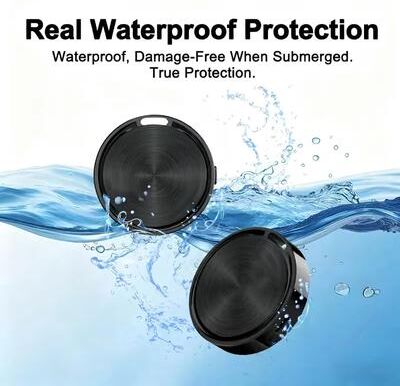
Friendly Fresh Finds GPS Tracking Device, Anti Lost Alarm, Activity Tracker, Wearable Accessories For Cats, Bicycles, Android Compatible GPS Tracking Device, Anti Lost Alarm, Activity Tracker, Wearable Accessories For Cats, Bicycles, Android CompatibleNever Lose Track of What Matters Most Keep your pets and bicycles safe with the Smart GPS Tracking Device, designed to provide realtime tracking with ease. This device is equipped with an AntiLost Alarm that instantly notifies you if your cat, dog,...29,97 $*Shipping: 0,00 $Secure redirect to the provider
-
Uplifted Finds PetSnowy Smart Litter Box & Feeder Maintenance Accessories whiteKeep your automated pet appliances running at peak performance with the PetSnowy Smart Maintenance Accessories. This premium selection of genuine replacement supplies is specifically engineered to fit the exact mechanical compartments of your...144,97 $*Shipping: 0,00 $Secure redirect to the provider
-
Inspire Essentials Automatic Cat Litter Box Replacement Accessories Maintenance Kit 4Keep your automatic cat litter box operating smoothly and efficiently with this convenient replacement accessories kit. Designed for compatible self cleaning litter boxes, these essential components help maintain cleanliness, airflow, odor control,...101,48 $*Shipping: 0,00 $Secure redirect to the provider
-
Uplifted Finds PetSnowy Smart Litter Box & Feeder Maintenance Accessories yellowKeep your automated pet appliances running at peak performance with the PetSnowy Smart Maintenance Accessories. This premium selection of genuine replacement supplies is specifically engineered to fit the exact mechanical compartments of your...144,97 $*Shipping: 0,00 $Secure redirect to the provider
-
How do dipole-dipole forces affect the boiling temperature?
Dipole-dipole forces are attractive forces between the positive end of one polar molecule and the negative end of another polar molecule. These forces cause the molecules to be attracted to each other and stick together, making it more difficult for them to break apart and become a gas. As a result, substances with stronger dipole-dipole forces will have higher boiling temperatures because more energy is required to overcome these attractive forces and turn the substance into a gas. Therefore, the presence of dipole-dipole forces can increase the boiling temperature of a substance. **
-
Why are hydrogen bonds stronger than dipole-dipole interactions?
Hydrogen bonds are stronger than dipole-dipole interactions because they involve a specific interaction between a hydrogen atom and a highly electronegative atom such as oxygen, nitrogen, or fluorine. This creates a strong partial positive charge on the hydrogen atom and a strong partial negative charge on the electronegative atom, leading to a strong attraction between the two. In contrast, dipole-dipole interactions occur between the partial positive and negative charges of polar molecules, which are generally weaker than the specific interaction between a hydrogen atom and a highly electronegative atom in a hydrogen bond. **
-
Why do ethers have only weak dipole-dipole interactions?
Ethers have only weak dipole-dipole interactions because the oxygen atom in the ether molecule is less electronegative than the oxygen atom in alcohols or the nitrogen atom in amines. This results in a smaller difference in electronegativity between the oxygen and the carbon atoms in the ether molecule, leading to weaker dipole moments. As a result, the overall dipole-dipole interactions in ethers are weaker compared to molecules with larger electronegativity differences, such as alcohols and amines. **
-
Is the ammonia molecule a dipole or not a dipole?
The ammonia molecule is a dipole. This is because the molecule has a trigonal pyramidal shape with a lone pair of electrons on the nitrogen atom. The electronegativity difference between nitrogen and hydrogen causes the molecule to have a net dipole moment, with the nitrogen end being partially negative and the hydrogen end being partially positive. This makes ammonia a polar molecule. **
Similar search terms for Dipole
-
Inspire Essentials Automatic Cat Litter Box Replacement Accessories Maintenance Kit 3Keep your automatic cat litter box operating smoothly and efficiently with this convenient replacement accessories kit. Designed for compatible self cleaning litter boxes, these essential components help maintain cleanliness, airflow, odor control,...101,48 $*Shipping: 0,00 $Secure redirect to the provider
-
Inspire Essentials Automatic Cat Litter Box Replacement Accessories Maintenance Kit 1Keep your automatic cat litter box operating smoothly and efficiently with this convenient replacement accessories kit. Designed for compatible self cleaning litter boxes, these essential components help maintain cleanliness, airflow, odor control,...101,48 $*Shipping: 0,00 $Secure redirect to the provider
-
Inspire Essentials Automatic Cat Litter Box Replacement Accessories Maintenance Kit 2Keep your automatic cat litter box operating smoothly and efficiently with this convenient replacement accessories kit. Designed for compatible self cleaning litter boxes, these essential components help maintain cleanliness, airflow, odor control,...101,48 $*Shipping: 0,00 $Secure redirect to the provider
-
Inspire Essentials Automatic Cat Litter Box Replacement Accessories Maintenance Kit 7Keep your automatic cat litter box operating smoothly and efficiently with this convenient replacement accessories kit. Designed for compatible self cleaning litter boxes, these essential components help maintain cleanliness, airflow, odor control,...101,48 $*Shipping: 0,00 $Secure redirect to the provider
-
Why is CO2 not a dipole and H2O a dipole?
CO2 is not a dipole because it has a linear molecular geometry, meaning the two oxygen atoms are symmetrically arranged around the central carbon atom, resulting in a net dipole moment of zero. On the other hand, H2O is a dipole because it has a bent molecular geometry, causing the oxygen atom to pull the shared electrons closer to itself, resulting in a net dipole moment. This uneven distribution of charge creates a positive end (the hydrogen atoms) and a negative end (the oxygen atom), making H2O a polar molecule. **
-
When do Van der Waals forces and dipole-dipole interactions occur?
Van der Waals forces occur between all atoms and molecules, regardless of their polarity, due to temporary fluctuations in electron distribution. Dipole-dipole interactions, on the other hand, occur between polar molecules that have a permanent separation of positive and negative charges. Both types of interactions are important in determining the physical properties of substances, such as their boiling and melting points, and play a significant role in the behavior of gases, liquids, and solids. **
-
What is the difference between dipole-dipole forces and hydrogen bonds?
Dipole-dipole forces are attractive forces between the positive end of one polar molecule and the negative end of another polar molecule. These forces occur between any two polar molecules and are relatively weaker than hydrogen bonds. On the other hand, hydrogen bonds are a specific type of dipole-dipole force that occurs between a hydrogen atom bonded to a highly electronegative atom (such as oxygen, nitrogen, or fluorine) and a lone pair of electrons on another highly electronegative atom. This type of bond is stronger than regular dipole-dipole forces and is responsible for the unique properties of water and other molecules with hydrogen bonding. **
-
What is the difference between hydrogen bonding and dipole-dipole interactions?
Hydrogen bonding is a specific type of dipole-dipole interaction that occurs between a hydrogen atom bonded to a highly electronegative atom (such as oxygen, nitrogen, or fluorine) and another electronegative atom in a different molecule. This type of interaction is stronger than regular dipole-dipole interactions because of the large electronegativity difference between the hydrogen and the other atom, resulting in a stronger attraction between the molecules. In contrast, dipole-dipole interactions occur between the positive end of one polar molecule and the negative end of another polar molecule, but do not involve a hydrogen atom bonded to a highly electronegative atom. **
* All prices are inclusive of VAT and, if applicable, plus shipping costs. The offer information is based on the details provided by the respective shop and is updated through automated processes. Real-time updates do not occur, so deviations can occur in individual cases. ** Note: Parts of this content were created by AI.